
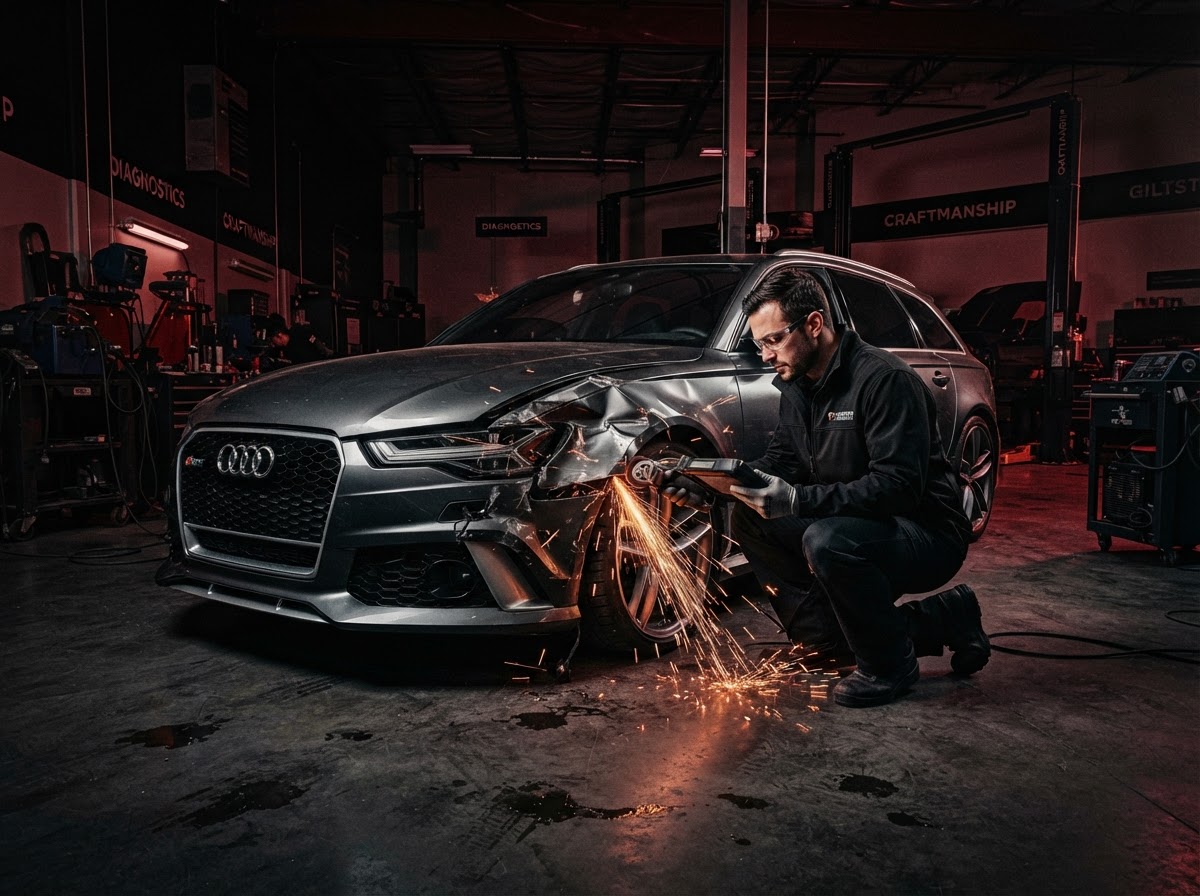
When a panel is repaired or replaced, the goal isn't only to fix the damage — it's to make the repaired area blend with the surrounding panels so the work isn't obvious. That's where automotive color matching comes in.
Color matching means preparing the surface, mixing a color to match your vehicle's finish, and applying and finishing the paint so the repaired area blends with the panels around it. Surface preparation, sanding, and finishing are part of this process; a clean, properly prepared surface is what allows the new paint to adhere and look right.
Some finishes are more involved to match than others. Heavily aged or faded paint can be harder to blend, because the surrounding color has changed over time. In those cases, matching the repaired area to the current state of the vehicle may require more attention to get a consistent result.
Polishing and buffing also play a role in finishing. Suitable surface imperfections — light scratches, scuffs, and haze in the clear coat — can often be polished out. Deeper scratches that cut through the paint usually need refinishing rather than polishing alone.
If your vehicle has paint damage or you're planning bodywork that will need refinishing, contact us to discuss the damage and arrange an assessment. We'll explain what the color matching and finishing may involve for your vehicle.
Need a damage assessment?
Contact RPC to discuss your vehicle and the repairs it may need. An in-person inspection is the most reliable way to determine the repair scope.
More Articles
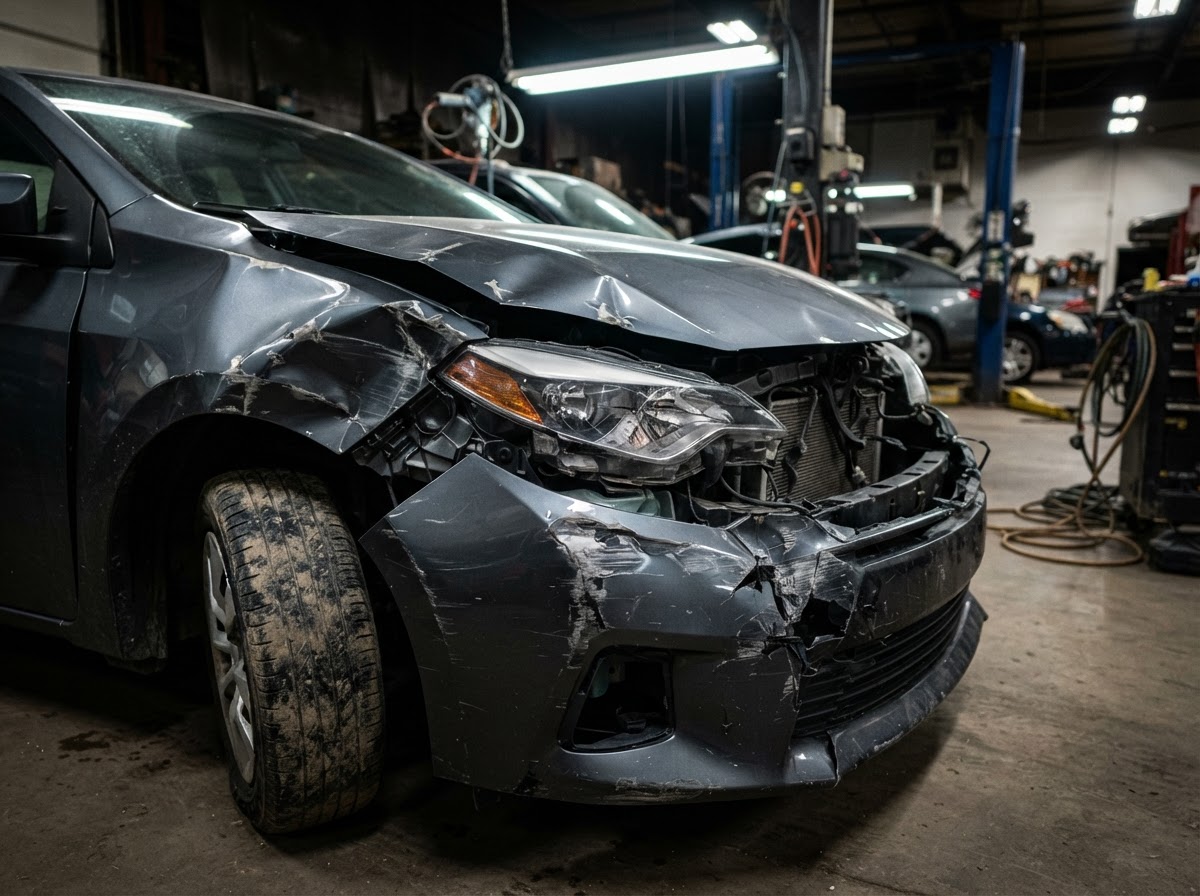
What to Check After a Collision
After an impact, visible damage is rarely the whole story. Here's what we look at during a damage inspection and why an assessment matters before any repair plan.
Read article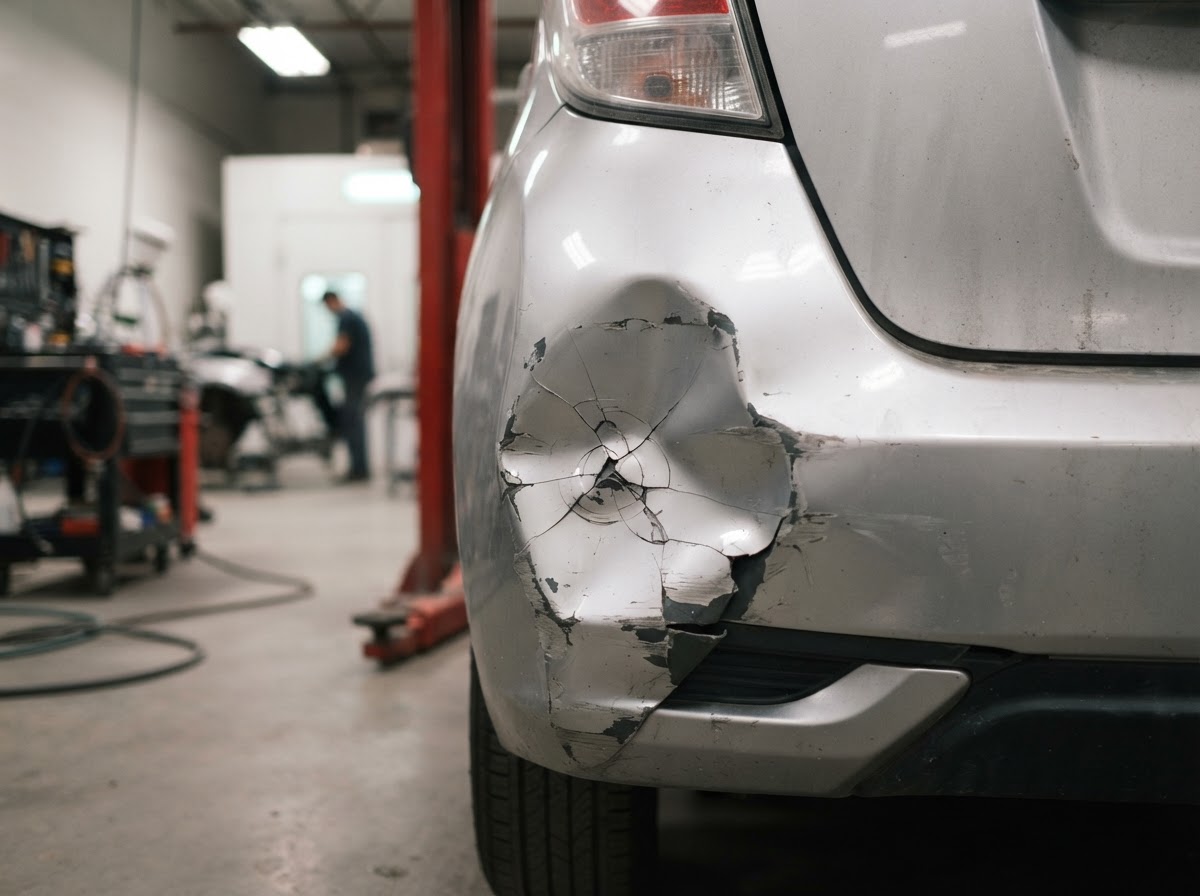
Bumper Repair or Replacement: How We Decide
A dented or cracked bumper doesn't always mean a full replacement. Here's how an inspection helps determine whether a bumper can be repaired or should be replaced.
Read article