
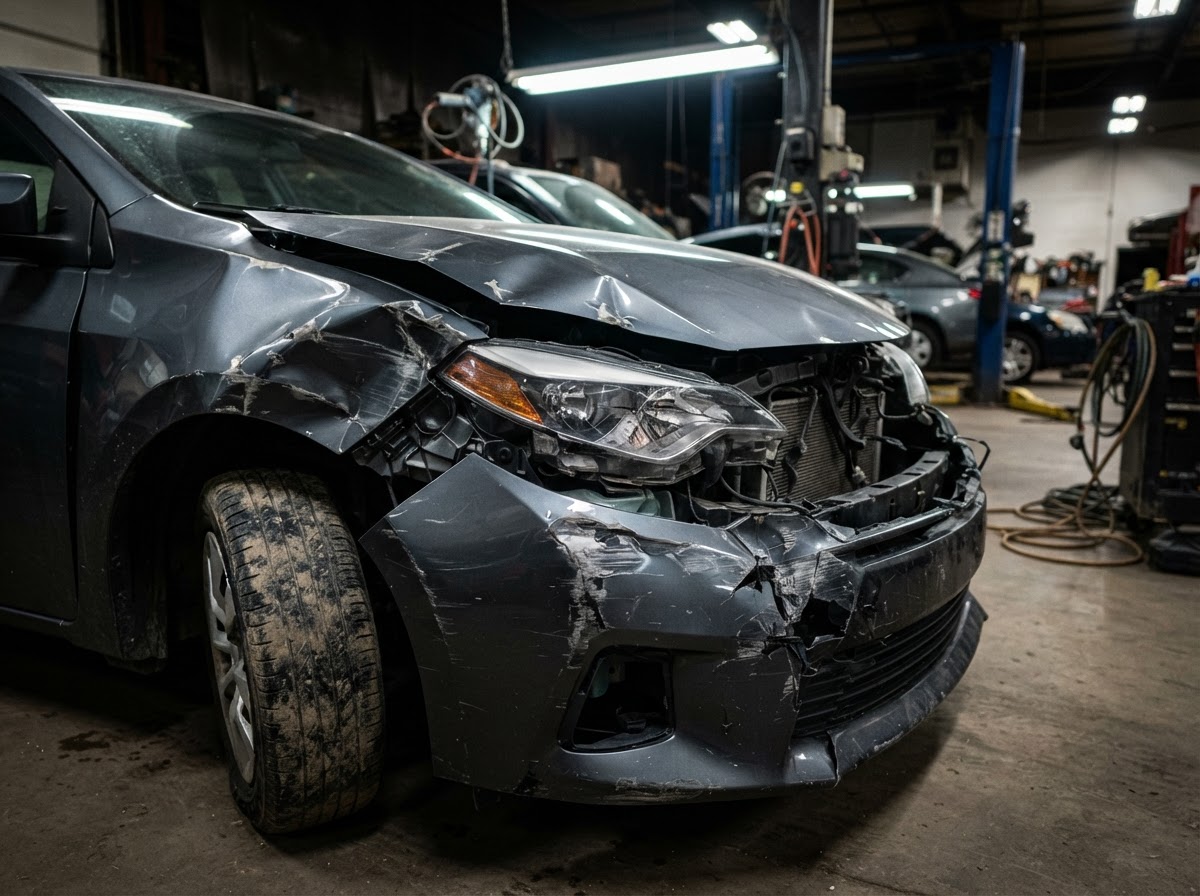
After a collision, the damage you can see is often only part of the picture. A crumpled panel, a cracked bumper, or a door that no longer closes cleanly are clear signs something is wrong — but related damage can hide in adjacent panels, structural points, and the fit of moving parts like the hood and trunk.
At RPC Autobody Collision LLC, every repair begins with a damage inspection. We look at the visible impact, check the surrounding areas for related damage, and assess how panels, doors, hood, and trunk fit. Uneven gaps, openings that bind, or components that no longer latch cleanly can point to damage beyond the obvious point of impact.
The inspection is what determines the repair scope. What can be repaired, we repair; what should be replaced, we'll recommend replacing. The recommended work is based on that inspection and on parts availability — not on a guess.
If you're seeing damage after an accident, the most useful first step is to contact the shop and arrange an assessment. Tell us what happened, what you're seeing, and share photos if you have them. Photos help with an initial discussion, but they don't replace an in-person inspection.
Repair scope, timing, and cost all depend on the type and extent of the damage, the methods required, and parts availability. We don't promise a fixed completion date in advance — we give you a more realistic picture after the inspection.
Need a damage assessment?
Contact RPC to discuss your vehicle and the repairs it may need. An in-person inspection is the most reliable way to determine the repair scope.
More Articles
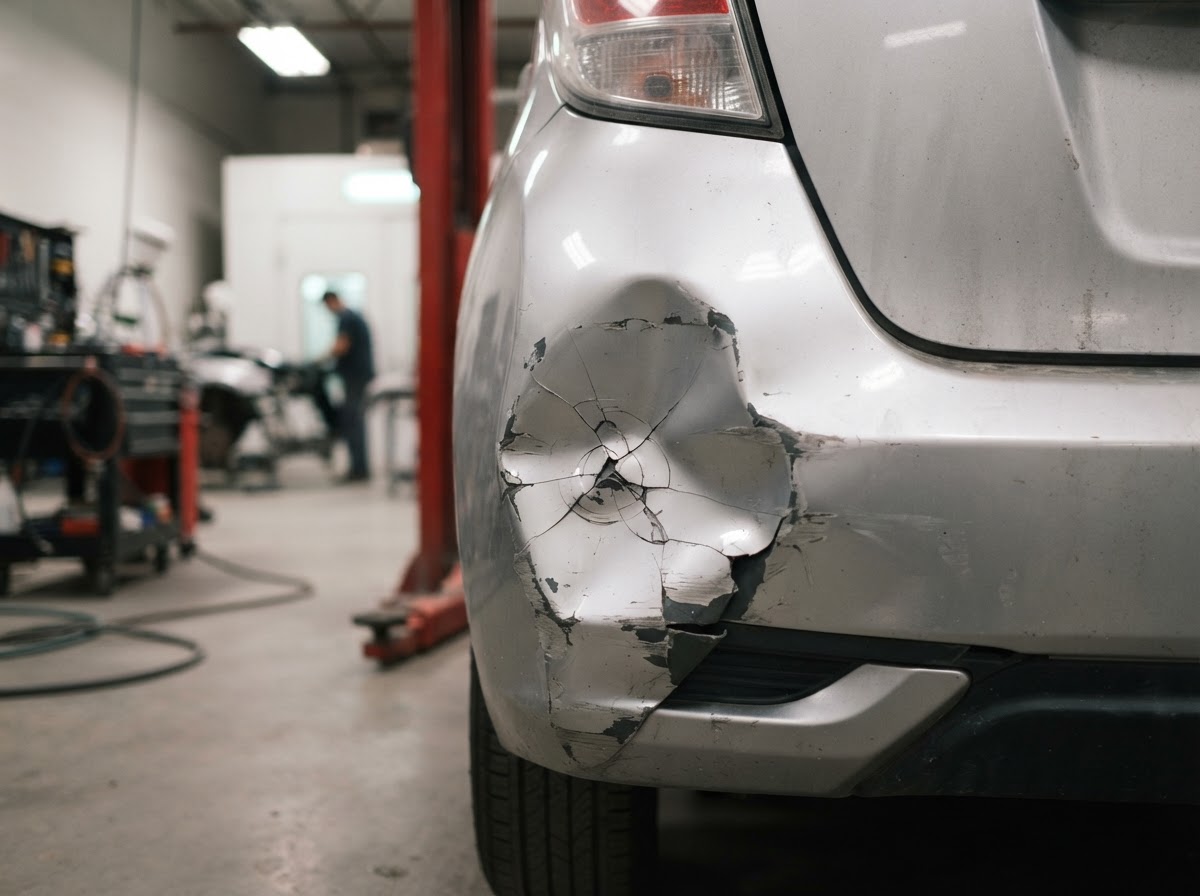
Bumper Repair or Replacement: How We Decide
A dented or cracked bumper doesn't always mean a full replacement. Here's how an inspection helps determine whether a bumper can be repaired or should be replaced.
Read article
Why Color Matching Matters in Auto Body Repair
A good paint repair isn't just about applying color — it's about making the repaired area blend with the rest of the vehicle. Here's what automotive color matching involves.
Read article