
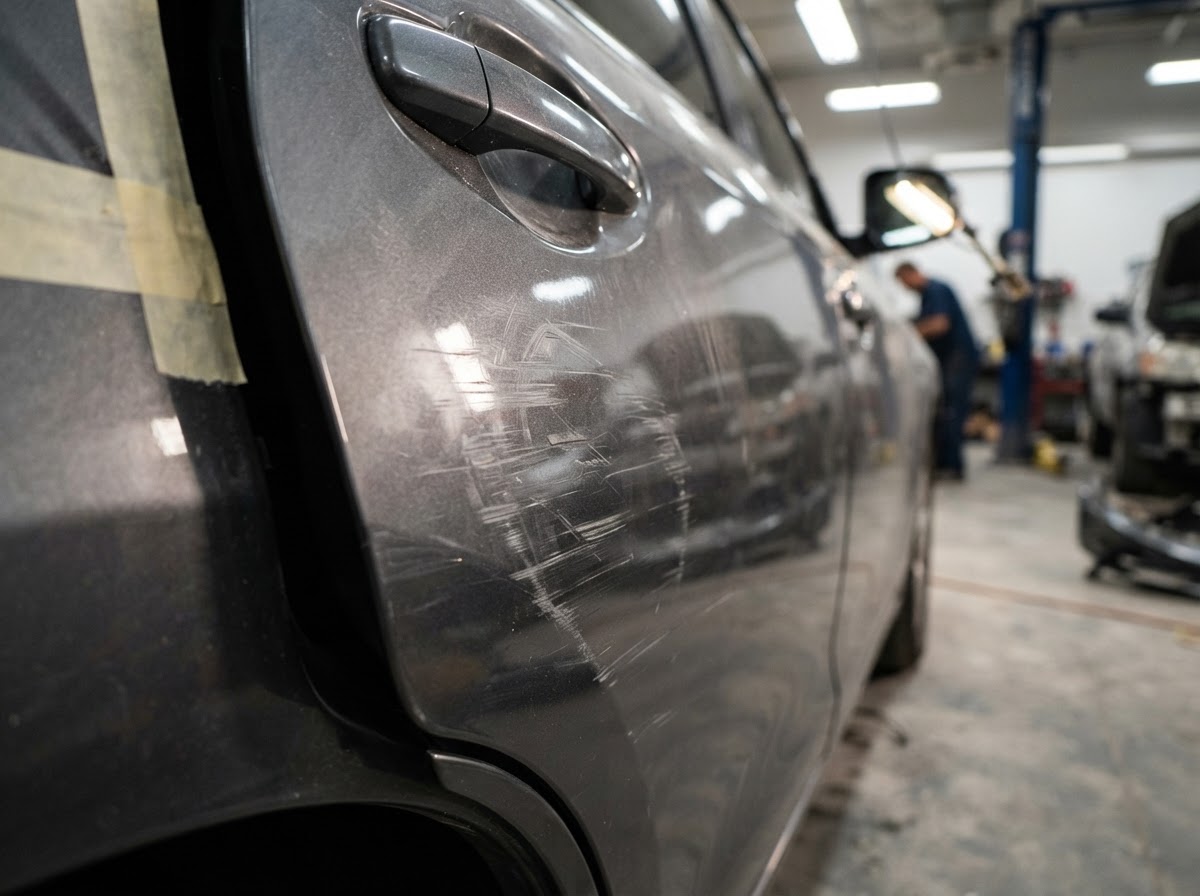
A freshly refinished panel is an investment in your vehicle's appearance, and how you care for it in the weeks after the repair affects how well it holds up. This article covers what to do after a paint or scratch repair, how to protect the finish during the curing period, and what to avoid. It's general guidance — the specific aftercare depends on the paint system used and the repair performed, so always follow the instructions given for your particular vehicle.
Fresh paint needs time to cure. Curing is the process by which the paint and clear coat harden and reach their full durability. The curing period depends on the paint system, the materials used, and environmental conditions — there is no universal timeline that fits every vehicle. During this period, the finish is more vulnerable to chemicals, abrasion, and contamination, so extra care matters. Follow the specific instructions given for your repair rather than assuming a standard timeline.
In the first weeks after a refinish, the gentlest approach is hand-washing with mild soap and a soft cloth. Avoid automatic car washes with brushes, which can be too abrasive for fresh paint, and avoid harsh chemicals, solvents, or aggressive cleaners. Rinse thoroughly and dry with a clean, soft microfiber towel to prevent water spots. The goal is to clean the surface without stressing the finish while it cures.
Waxing should usually wait. Applying wax too early can interfere with the curing process, because the wax seals the surface before the paint has fully hardened. Ask the shop when it's safe to wax your particular repair — the timing depends on the paint system. When the time comes, use a quality automotive wax and apply it gently. For more on what polishing can and can't do on a refinished surface, our scratch repair, polishing, and finishing page covers the basics.
Protect the finish from contamination. Avoid parking under trees, where sap can drip onto fresh paint, or near construction, where dust and debris can settle on the surface. Bird droppings and bug splatter should be rinsed off gently as soon as possible — they can be acidic and may etch into a fresh finish if left. If contamination lands on the surface, rinse gently rather than scrubbing, which can scratch the paint.
Temperature extremes can affect curing. Parking in direct, intense sun for extended periods during the early curing phase isn't ideal, and extreme cold can also slow the process. A garage or shaded area is preferable when available. If you don't have covered parking, try to park in shade during the hottest part of the day during the first weeks.
If you notice anything unusual after pickup — a dull spot, a change in texture, or an area that doesn't seem to be curing as expected — contact the shop rather than attempting to fix it yourself. Some curing characteristics are normal in the first weeks, and others may need attention. Polishing a fresh finish with the wrong compound or technique can do more harm than good, so it's better to ask first. For more on what to ask before a paint repair, our article on paint repair and aftercare essentials covers the preparation side.
If the repair was part of a larger collision repair — where panels were replaced, aligned, or structurally straightened — the aftercare for the paint is one part of the overall picture. Panel fit, latch operation, and the alignment of doors, hood, and trunk should also be checked. For a general pickup checklist, our article on preparing for collision repair covers what to review when you collect your vehicle.
The key takeaway: the repair makes the damage disappear, and the aftercare keeps it that way. Follow the instructions given for your repair, be gentle in the first weeks, and ask the shop if anything seems off. Have questions about caring for a repaired paint surface? Contact RPC Autobody Collision in Hialeah through the website or call (786) 769-1309 to discuss the next step. This article provides general educational information and is not a diagnosis of a specific vehicle or a substitute for an in-person inspection. Damage, repair methods, parts, and results vary by vehicle and condition.
Frequently Asked Questions
Need a damage assessment?
Contact RPC to discuss your vehicle and the repairs it may need. An in-person inspection is the most reliable way to determine the repair scope.
More Articles
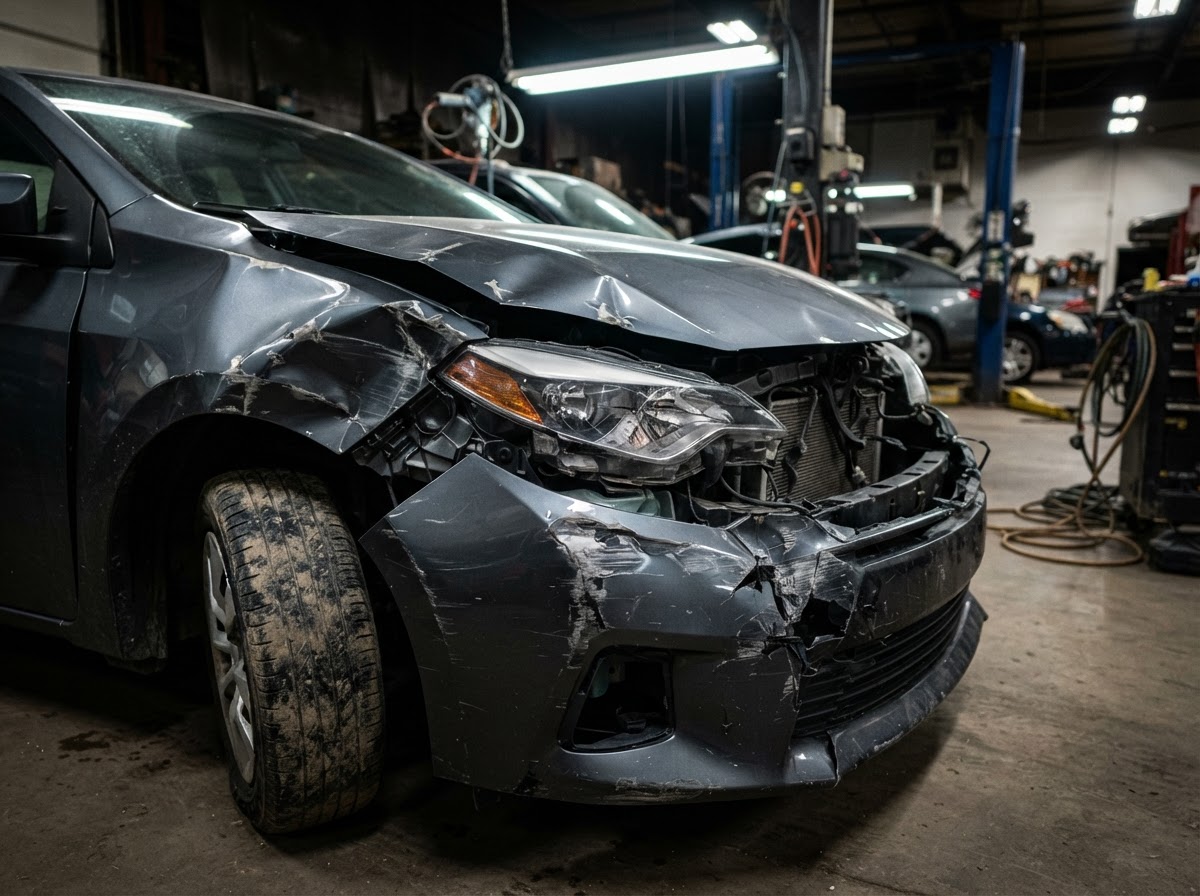
What to Check After a Collision
After an impact, visible damage is rarely the whole story. Here's what we look at during a damage inspection and why an assessment matters before any repair plan.
Read articleCollision Repair vs. Replacement: What Factors Matter
Not every damaged panel can be repaired, and not every broken part needs replacing. Here's how the repair-versus-replacement decision is approached after an inspection.
Read articlePreparing for Collision Repair and Vehicle Pickup
From the information to gather before contacting the shop to what to review when you pick up your vehicle, here's what to expect at a high level.
Read article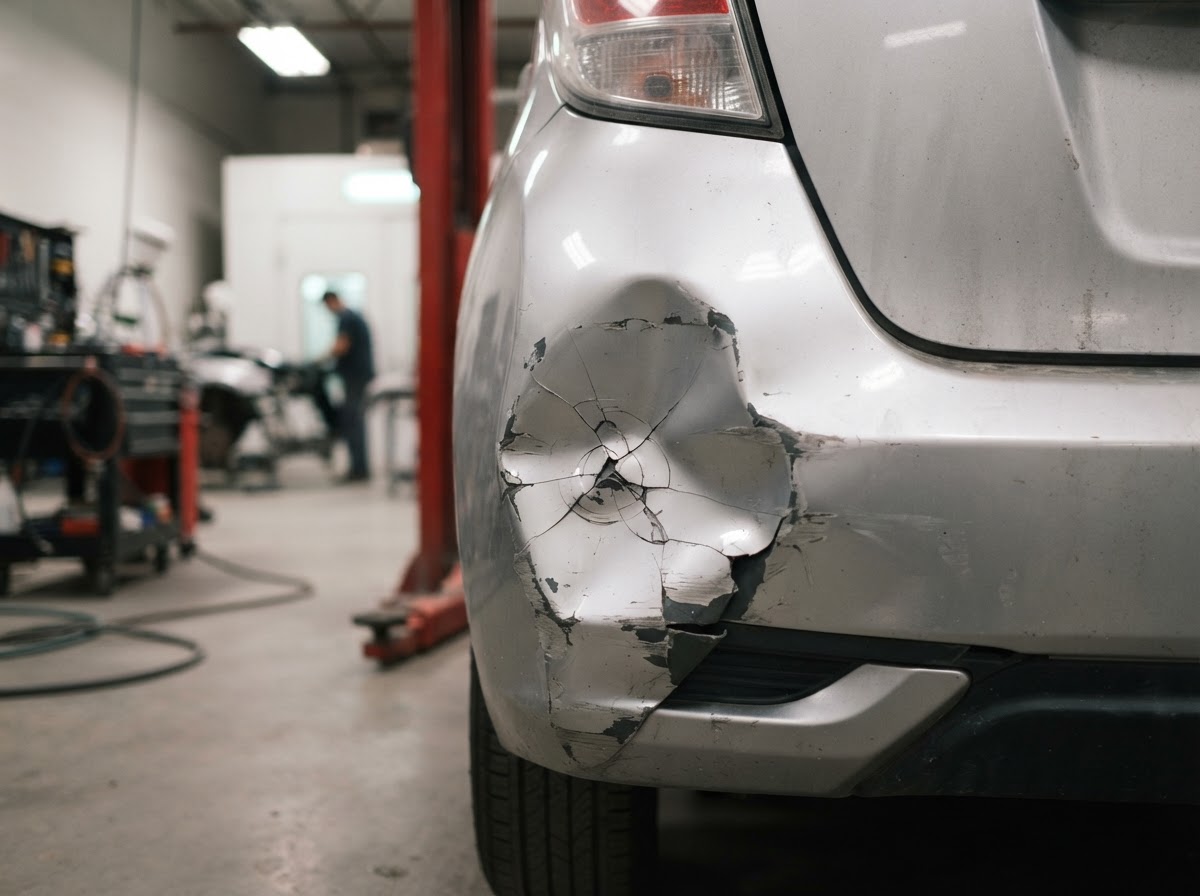
Bumper Repair or Replacement: How We Decide
A dented or cracked bumper doesn't always mean a full replacement. Here's how an inspection helps determine whether a bumper can be repaired or should be replaced.
Read article
Why Color Matching Matters in Auto Body Repair
A good paint repair isn't just about applying color — it's about making the repaired area blend with the rest of the vehicle. Here's what automotive color matching involves.
Read articleUnderstanding Dent and Bumper Damage
A dent might look simple, but the material, location, and surrounding structure all affect what the repair involves. Here's what vehicle owners should understand before contacting the shop.
Read articleWhat to Expect From Dent and Bumper Repair
From the information to gather before you contact the shop to what to review at pickup, here's what to expect when bringing in a dented panel or damaged bumper.
Read articleAutomotive Paint Repair: Key Considerations
Not all paint damage needs the same approach. From surface scratches to full panel refinishing, here are the factors that shape a paint repair decision.
Read articlePaint Repair and Aftercare Essentials
From what to do before a paint repair to how to care for the finish afterward, here's what vehicle owners should know to protect a refinished surface.
Read article
Understanding Structural Damage After a Collision
Structural damage isn't always visible from the outside. Here's what it means, what signs to look for, and why it's evaluated separately from cosmetic damage.
Read articleStructural Repair: What to Consider
Not all structural damage can be straightened. Here are the factors that shape the decision to straighten, pull, or replace structural components after a collision.
Read articlePreparing for Structural Repair
From the information to gather before you contact the shop to what to review at pickup, here's what to expect when a vehicle needs structural straightening.
Read articleUnderstanding Scratch and Paint Damage
Not every scratch needs the same repair. Here's how to think about the depth, type, and location of paint damage — and why an inspection determines the right approach.
Read articleScratch Repair: Polishing or Repainting?
Polishing and refinishing solve different problems. Here's how to think about which approach your scratch needs — and why depth is the deciding factor.
Read article
Understanding Panel Alignment and Fit
After a collision, uneven gaps and doors that don't close properly are signs of panel alignment issues. Here's what panel alignment means and how it differs from other adjustments.
Read articleWhen to Repair or Replace Damaged Body Parts
Not every damaged part can be repaired, and not every broken component needs replacing. Here are the factors that shape the repair-versus-replacement decision for body parts.
Read articlePreparing for Panel Alignment and Parts Repair
From what to gather before you contact the shop to what to review at pickup, here's what to expect when a vehicle needs panel alignment or damaged parts repair.
Read article