
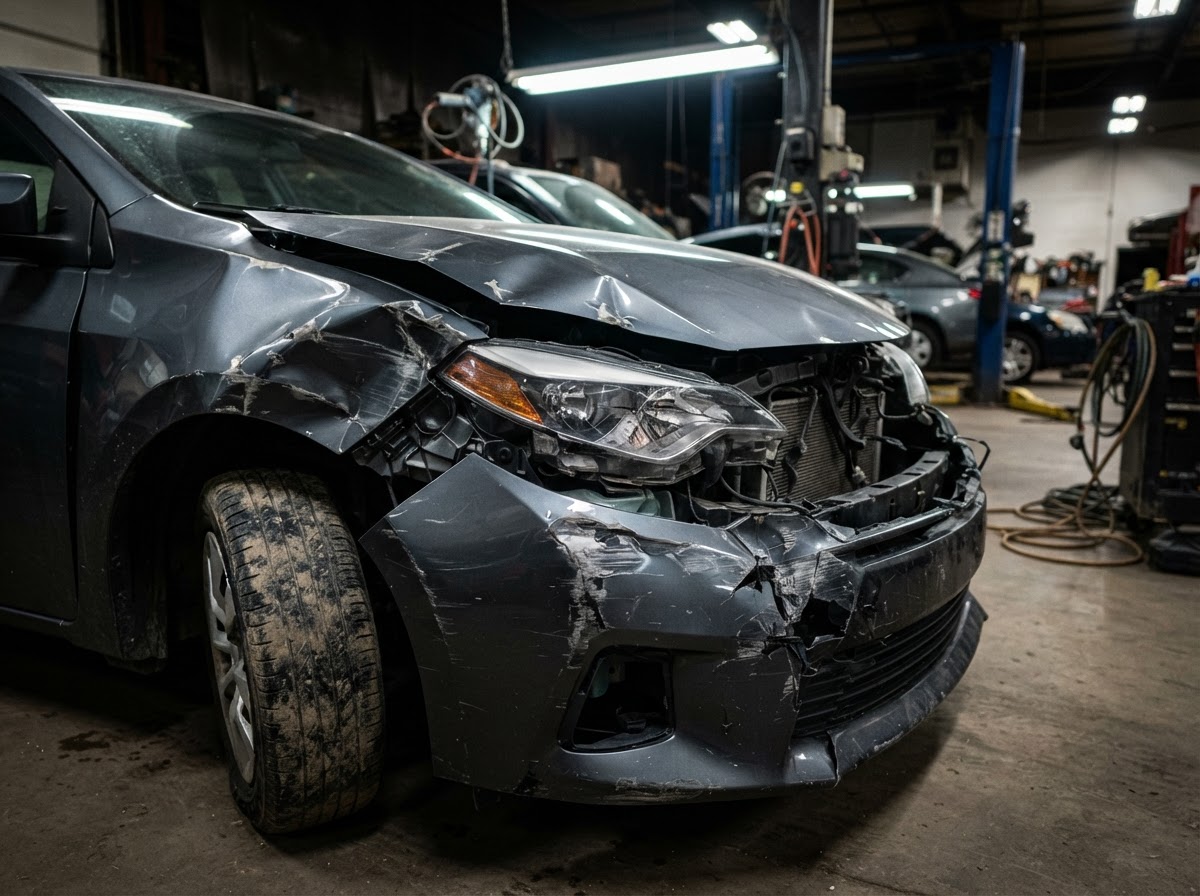
Knowing what to do before and after collision repair can make the process feel less uncertain. This article covers what information to gather before you contact the shop, what to ask before work begins, the general stages of a repair at a high level, and what to review when you pick up your vehicle. It's general guidance — the actual process depends on the damage, the vehicle, and what the inspection finds.
Before contacting the shop, it helps to gather a few details. The vehicle's year, make, and model let us start a meaningful conversation. A short description of what happened and the damage you're seeing — dents, cracks, a door that no longer closes cleanly, paint that rubbed off — gives context. If you have photos, share them; they help with an initial discussion, though they don't replace an in-person inspection. Your contact information and preferred language are useful so the shop can reach you with questions.
When you request an assessment, you're asking for the vehicle and damage to be evaluated in person — not confirming a completed appointment or a guaranteed result. An assessment is what determines the repair scope, and the recommendation depends on what the inspection finds. If you'd rather talk it through first, you can also call the shop directly.
Before work begins, a few questions are worth asking. What did the inspection find beyond the visible damage? Which parts are recommended for repair and which for replacement, and why? What refinishing will be needed? Are there any parts whose availability could affect timing? Understanding the scope up front helps you compare it with what you see when the work is done.
At a high level, a collision repair moves through several stages. It starts with a damage inspection to determine the scope. Affected components are disassembled as needed so hidden damage can be evaluated. Damaged panels are repaired or replaced, and any underlying or structural damage is addressed. Repaired or replaced panels are refinished — prepared, painted, and finished so the work blends with the rest of the vehicle. Finally, the vehicle is reassembled and the fit of panels, doors, hood, and trunk is checked. The order and the work involved depend on the vehicle and the damage.
Two distinctions are worth keeping in mind. Body-panel alignment — the fit and gaps of panels, doors, hood, and trunk — is part of collision repair and is covered on the panel alignment and damaged parts page. A wheel alignment is a separate mechanical service and is not part of collision bodywork. And while a polished, refinished exterior is part of the goal, an attractive outer panel alone does not confirm that underlying structural work is complete — that's why the inspection and the repair plan matter.
When you pick up the vehicle, take a few minutes to review the work. Walk around the vehicle and look at the repaired or replaced panels in good light. Check that panel gaps and seams look even and that doors, hood, and trunk open, close, and latch cleanly. Look at the refinished areas and see whether the color and finish blend with the surrounding panels. If something looks off, or if you have a concern, raise it before you leave — it's easier to address a question on the spot than after you've driven away.
After pickup, follow any aftercare guidance given for your particular repair and paint system. Curing and care can vary by the materials used, so there's no universal timeline that fits every vehicle. If the shop gave you specific instructions, follow those; if you're unsure, ask rather than guess. General guidance on finishing and care is covered in our scratch repair, polishing, and finishing article.
If you're planning bodywork that will need refinishing, it's also worth understanding how painting and color matching work, since a repaired panel almost always needs to blend with the rest of the vehicle. For a broader overview of what we look at after an impact, our article on what to check after a collision is a good starting point.
The most useful next step is to contact the shop and arrange an assessment. We'll inspect the damage, explain what we find, and recommend a path before any work begins. Have questions about collision damage or auto body repair? Contact RPC Autobody Collision in Hialeah through the website or call (786) 769-1309 to discuss the next step.
Frequently Asked Questions
Need a damage assessment?
Contact RPC to discuss your vehicle and the repairs it may need. An in-person inspection is the most reliable way to determine the repair scope.
More Articles
What to Check After a Collision
After an impact, visible damage is rarely the whole story. Here's what we look at during a damage inspection and why an assessment matters before any repair plan.
Read articleCollision Repair vs. Replacement: What Factors Matter
Not every damaged panel can be repaired, and not every broken part needs replacing. Here's how the repair-versus-replacement decision is approached after an inspection.
Read article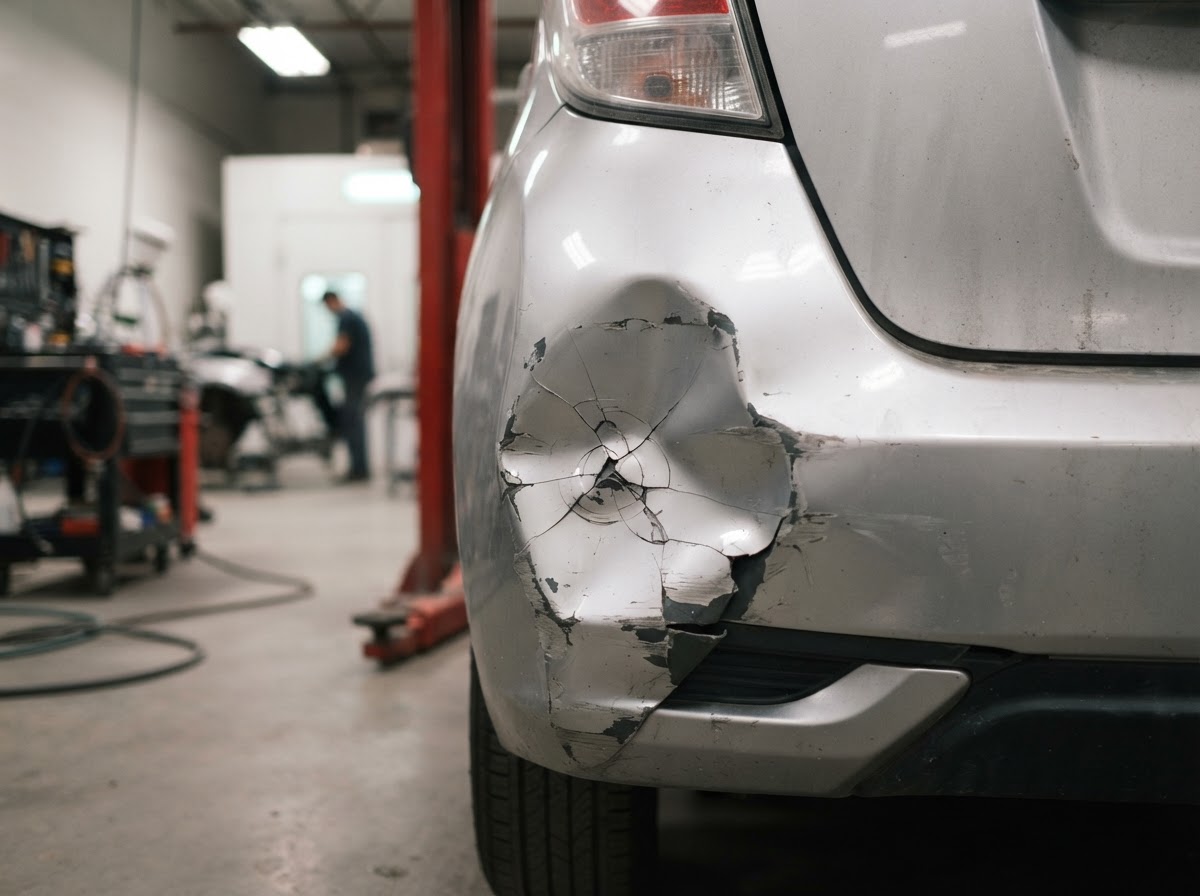
Bumper Repair or Replacement: How We Decide
A dented or cracked bumper doesn't always mean a full replacement. Here's how an inspection helps determine whether a bumper can be repaired or should be replaced.
Read article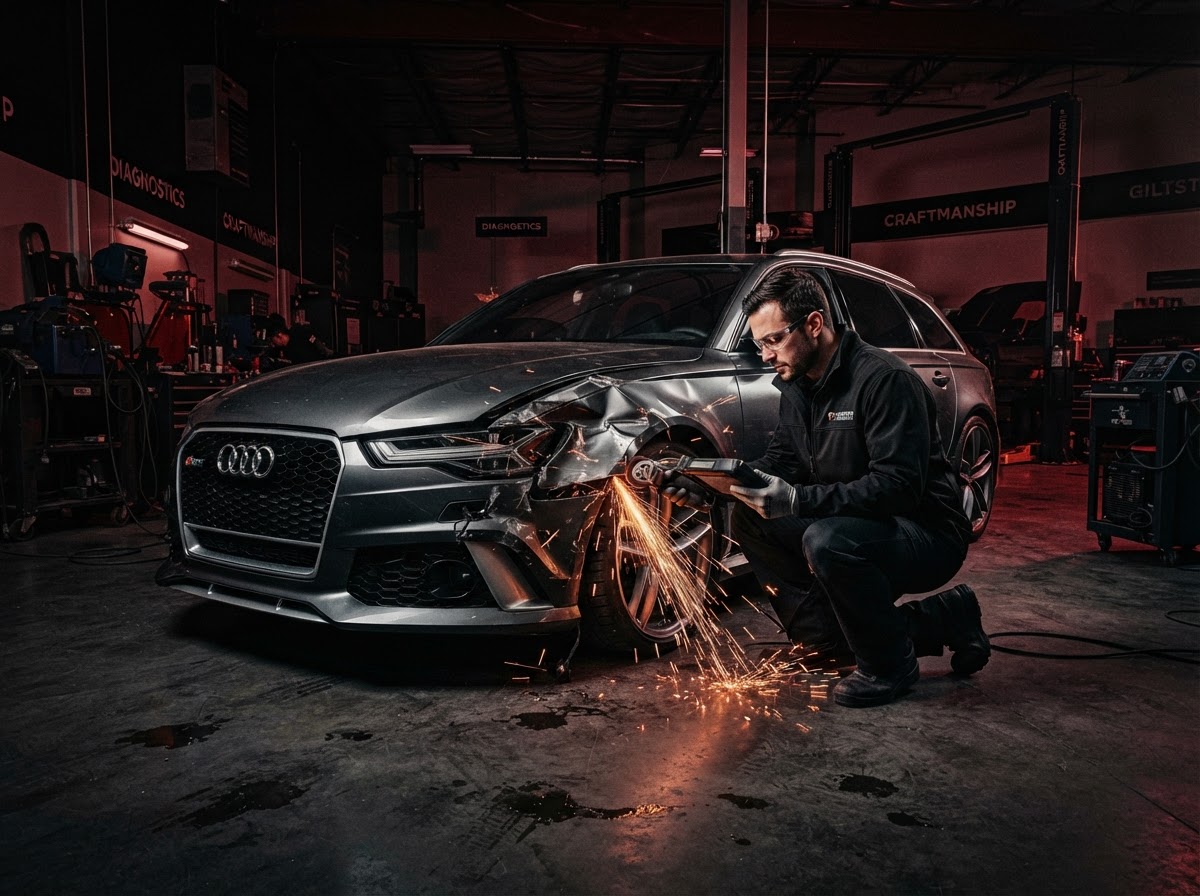
Why Color Matching Matters in Auto Body Repair
A good paint repair isn't just about applying color — it's about making the repaired area blend with the rest of the vehicle. Here's what automotive color matching involves.
Read articleUnderstanding Dent and Bumper Damage
A dent might look simple, but the material, location, and surrounding structure all affect what the repair involves. Here's what vehicle owners should understand before contacting the shop.
Read articleWhat to Expect From Dent and Bumper Repair
From the information to gather before you contact the shop to what to review at pickup, here's what to expect when bringing in a dented panel or damaged bumper.
Read articleAutomotive Paint Repair: Key Considerations
Not all paint damage needs the same approach. From surface scratches to full panel refinishing, here are the factors that shape a paint repair decision.
Read articlePaint Repair and Aftercare Essentials
From what to do before a paint repair to how to care for the finish afterward, here's what vehicle owners should know to protect a refinished surface.
Read article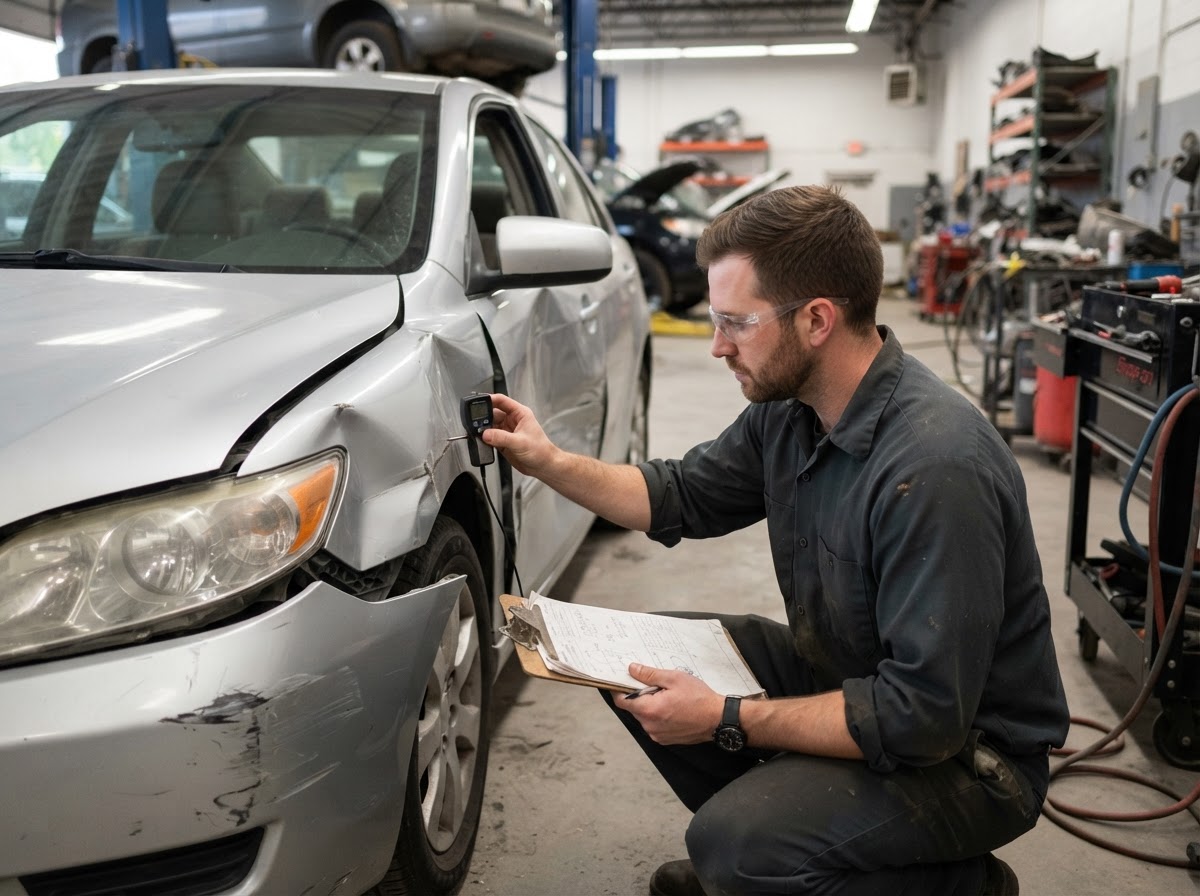
Understanding Structural Damage After a Collision
Structural damage isn't always visible from the outside. Here's what it means, what signs to look for, and why it's evaluated separately from cosmetic damage.
Read articleStructural Repair: What to Consider
Not all structural damage can be straightened. Here are the factors that shape the decision to straighten, pull, or replace structural components after a collision.
Read articlePreparing for Structural Repair
From the information to gather before you contact the shop to what to review at pickup, here's what to expect when a vehicle needs structural straightening.
Read article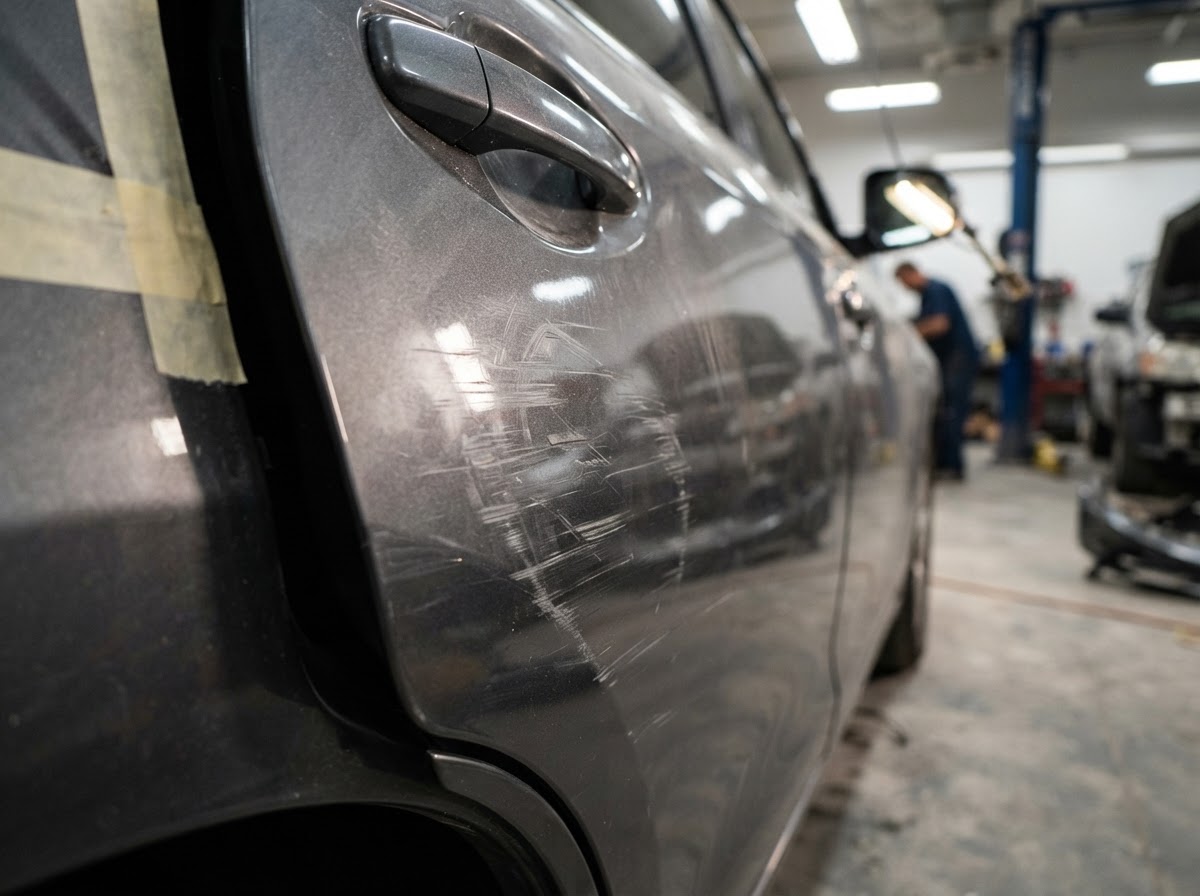
Understanding Scratch and Paint Damage
Not every scratch needs the same repair. Here's how to think about the depth, type, and location of paint damage — and why an inspection determines the right approach.
Read articleScratch Repair: Polishing or Repainting?
Polishing and refinishing solve different problems. Here's how to think about which approach your scratch needs — and why depth is the deciding factor.
Read articleCaring for Repaired Paint Surfaces
A refinished panel needs proper care to look its best and last. Here's what vehicle owners should know about protecting a repaired paint surface after pickup.
Read article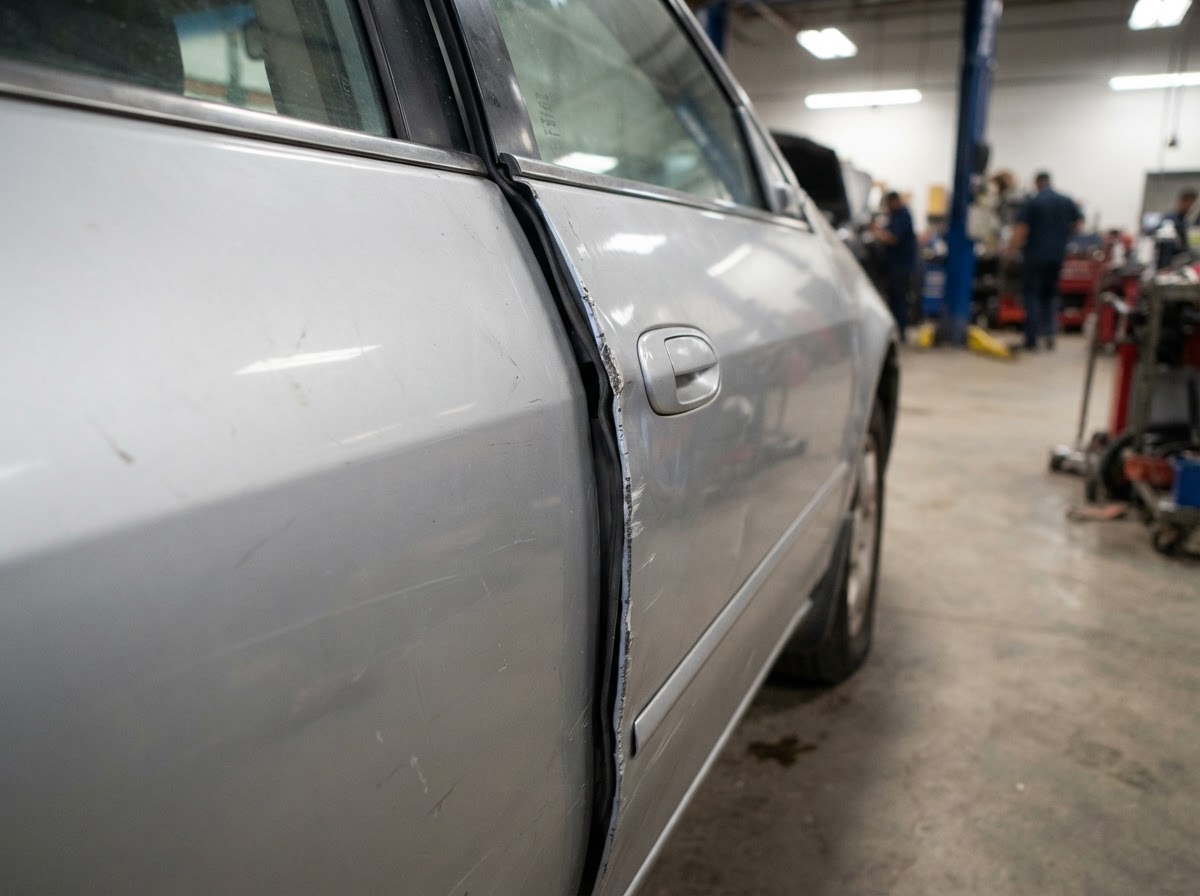
Understanding Panel Alignment and Fit
After a collision, uneven gaps and doors that don't close properly are signs of panel alignment issues. Here's what panel alignment means and how it differs from other adjustments.
Read articleWhen to Repair or Replace Damaged Body Parts
Not every damaged part can be repaired, and not every broken component needs replacing. Here are the factors that shape the repair-versus-replacement decision for body parts.
Read articlePreparing for Panel Alignment and Parts Repair
From what to gather before you contact the shop to what to review at pickup, here's what to expect when a vehicle needs panel alignment or damaged parts repair.
Read article