
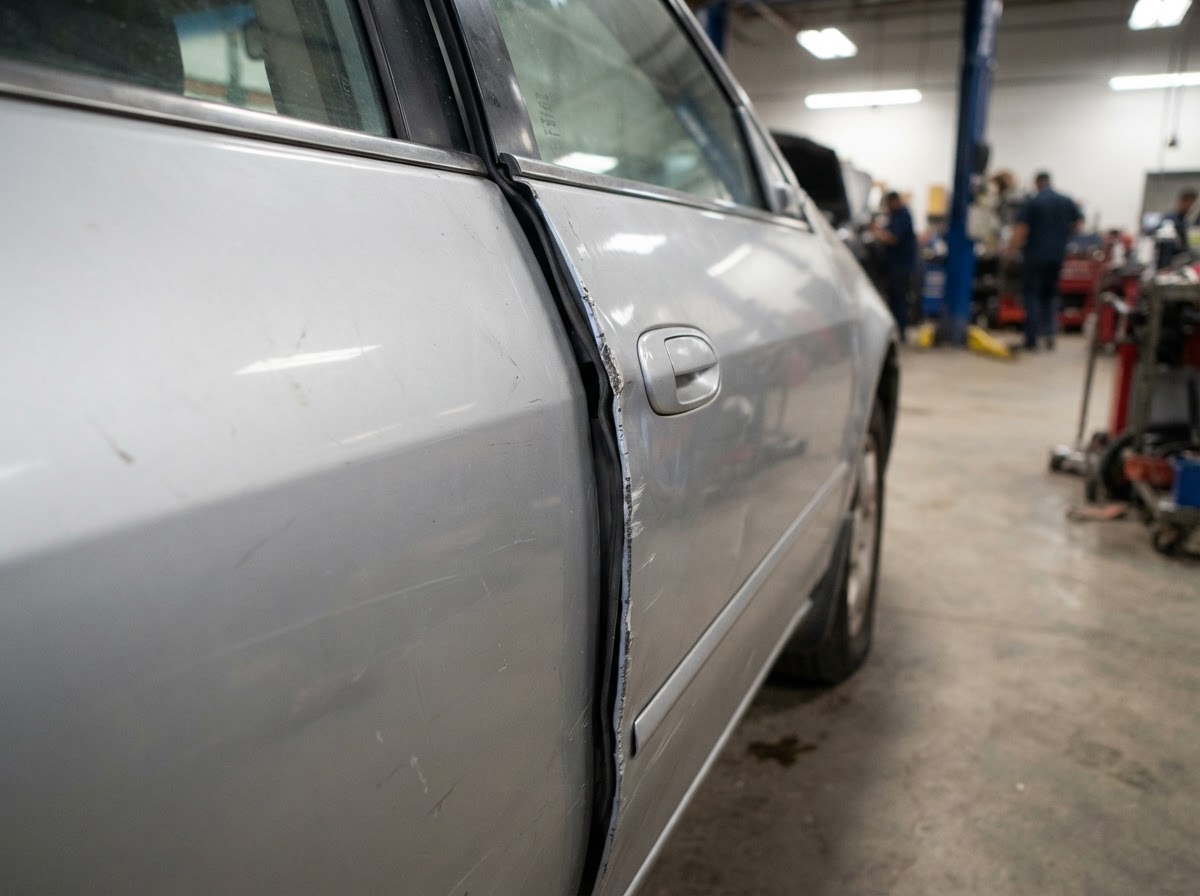
After a collision, damaged body parts — panels, doors, bumpers, trim, brackets, and hardware — need to be either repaired or replaced. The decision depends on the type and extent of the damage, the material, the structural condition of the part, and whether it can be restored to proper fit and function. This article explains the factors that shape that decision so you know what to ask before any work begins.
A damaged part is a candidate for repair when the damage is limited and the part's structure is sound. A dented panel can often be reshaped and refinished. A bumper with a small crack can sometimes be repaired and refinished. A bracket that's slightly bent may be realigned. In these cases, repairing the existing part is typically the more straightforward path, and it preserves the original component. Our panel alignment and damaged parts service handles this work.
Replacement becomes the recommendation when a part is damaged beyond what repair can reliably address. A panel that's heavily torn, a bumper that's shattered, a component whose mounting points have broken off, or a part that can't be restored to safe, proper fit may need replacement. In those cases, forcing a repair on a compromised part doesn't restore it — it just patches damaged material. Replacement helps restore fit, strength, and appearance.
The material of the part matters. Metal panels can often be reshaped, but stretched or torn metal may require filler, additional bodywork, or replacement. Plastic bumper covers can sometimes be repaired, but a shattered or structurally compromised bumper usually needs replacement. Trim, moldings, and hardware that are cracked or broken may not be repairable at all — replacement is often the only option for these components. The assessment considers the material and the extent of the damage.
Structural condition is a key factor. A part that's cosmetically damaged but structurally sound — a dented panel with intact mounting points — is a repair candidate. A part whose structure is compromised — bent mounting points, cracked reinforcement, a component that has lost its integrity — may need replacement, even if the visible damage looks manageable. This is especially true for parts that contribute to the vehicle's structure or safety. For more on structural considerations, our article on structural repair considerations covers the straighten-versus-replace decision.
Fit is another factor. A part that can be repaired but won't fit properly afterward — because it's been distorted or because the structure it bolts to has moved — may need replacement or may need structural work first. A door that's been damaged may be repairable, but if the hinges or the pillar it mounts to have shifted, the door won't fit correctly until the structure is straightened. The inspection evaluates fit alongside damage. For more on panel fit, our article on understanding panel alignment and fit covers the basics.
Parts availability is a practical factor. If a part needs replacement, the right part has to be available before the work can move forward. That can affect the timeline — we don't promise a fixed completion date in advance. We give you a more realistic picture after the inspection and once parts are confirmed. The availability of a specific part depends on the vehicle, the year, and the manufacturer.
Several questions are worth asking before any part is repaired or replaced. What did the inspection find — which parts are damaged, and how severely? Which parts are recommended for repair and which for replacement, and why? If a part is being replaced, is the replacement available, and could its availability affect timing? What refinishing will the repaired or replaced parts need? These questions help you understand the scope and avoid surprises. For more on what to ask before a collision repair, our article on preparing for collision repair includes a general list.
It also helps to understand that repair and replacement aren't about preference — they're about what will restore the part to proper fit, function, and appearance. A repaired part that's structurally sound and fits correctly is a good outcome. A replaced part that restores safety and fit is also a good outcome. The decision is driven by the condition of each part, not by a cost shortcut or a one-size-fits-all rule.
If your vehicle has damaged body parts, the most useful next step is to request an assessment so each part can be inspected and evaluated. We'll explain what we find, which parts we recommend repairing or replacing, and why. You can also call us directly. Have questions about damaged body parts? Contact RPC Autobody Collision in Hialeah through the website or call (786) 769-1309 to discuss the next step. This article provides general educational information and is not a diagnosis of a specific vehicle or a substitute for an in-person inspection. Damage, repair methods, parts, and results vary by vehicle and condition.
Frequently Asked Questions
Need a damage assessment?
Contact RPC to discuss your vehicle and the repairs it may need. An in-person inspection is the most reliable way to determine the repair scope.
More Articles
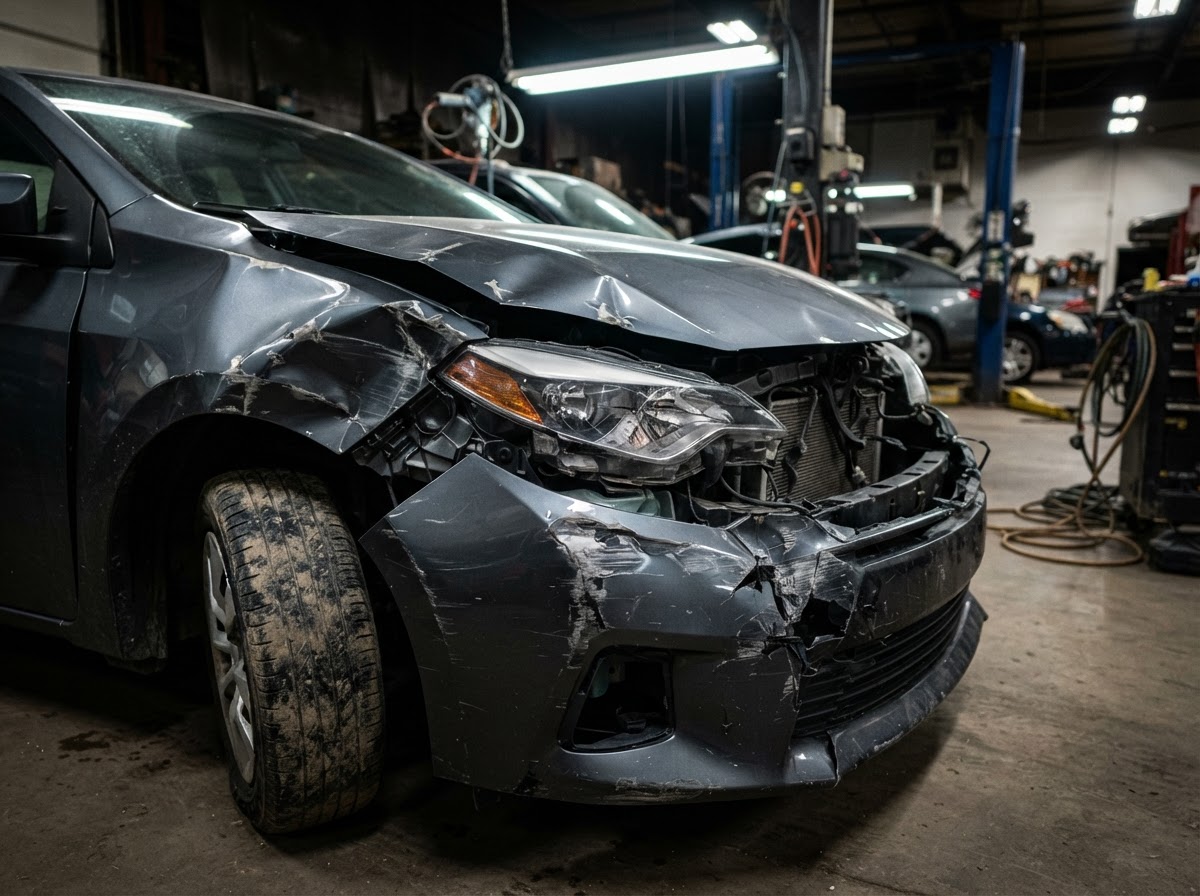
What to Check After a Collision
After an impact, visible damage is rarely the whole story. Here's what we look at during a damage inspection and why an assessment matters before any repair plan.
Read articleCollision Repair vs. Replacement: What Factors Matter
Not every damaged panel can be repaired, and not every broken part needs replacing. Here's how the repair-versus-replacement decision is approached after an inspection.
Read articlePreparing for Collision Repair and Vehicle Pickup
From the information to gather before contacting the shop to what to review when you pick up your vehicle, here's what to expect at a high level.
Read article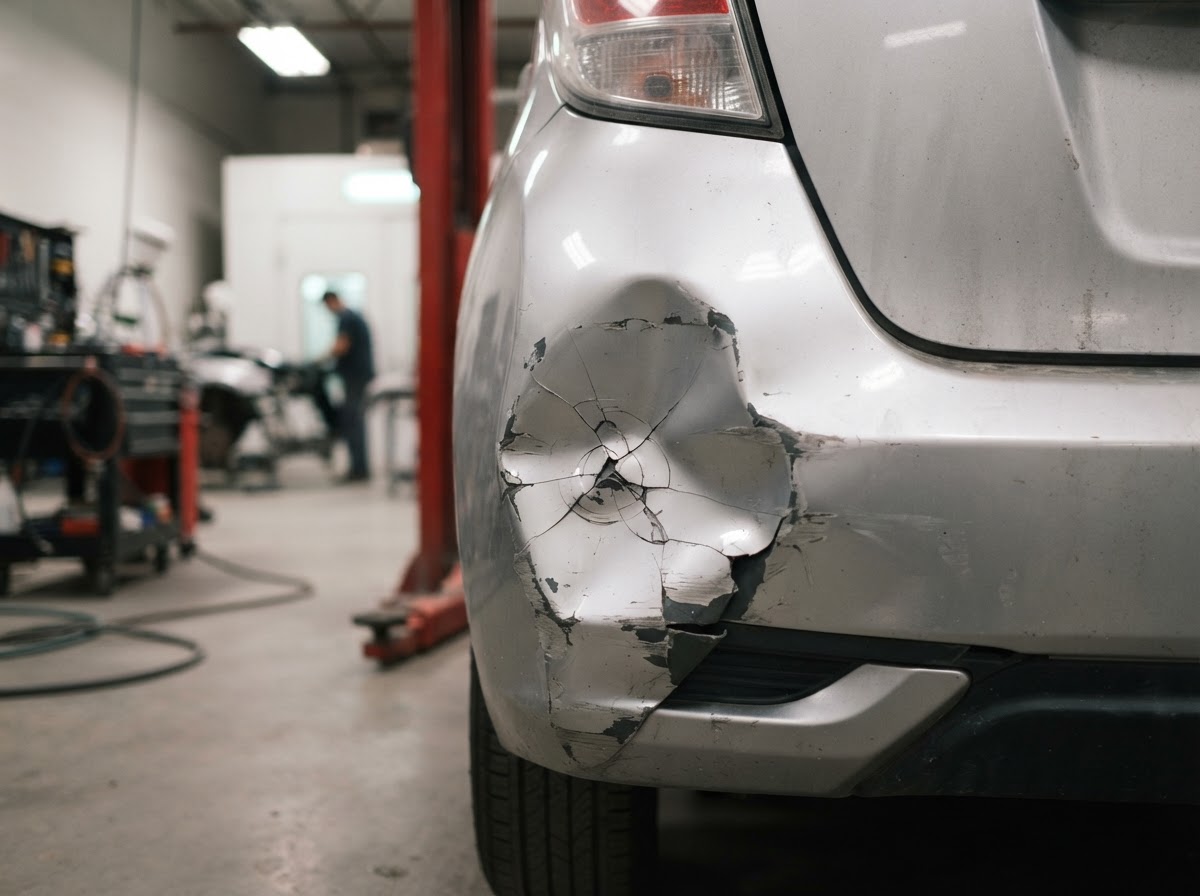
Bumper Repair or Replacement: How We Decide
A dented or cracked bumper doesn't always mean a full replacement. Here's how an inspection helps determine whether a bumper can be repaired or should be replaced.
Read article
Why Color Matching Matters in Auto Body Repair
A good paint repair isn't just about applying color — it's about making the repaired area blend with the rest of the vehicle. Here's what automotive color matching involves.
Read articleUnderstanding Dent and Bumper Damage
A dent might look simple, but the material, location, and surrounding structure all affect what the repair involves. Here's what vehicle owners should understand before contacting the shop.
Read articleWhat to Expect From Dent and Bumper Repair
From the information to gather before you contact the shop to what to review at pickup, here's what to expect when bringing in a dented panel or damaged bumper.
Read articleAutomotive Paint Repair: Key Considerations
Not all paint damage needs the same approach. From surface scratches to full panel refinishing, here are the factors that shape a paint repair decision.
Read articlePaint Repair and Aftercare Essentials
From what to do before a paint repair to how to care for the finish afterward, here's what vehicle owners should know to protect a refinished surface.
Read article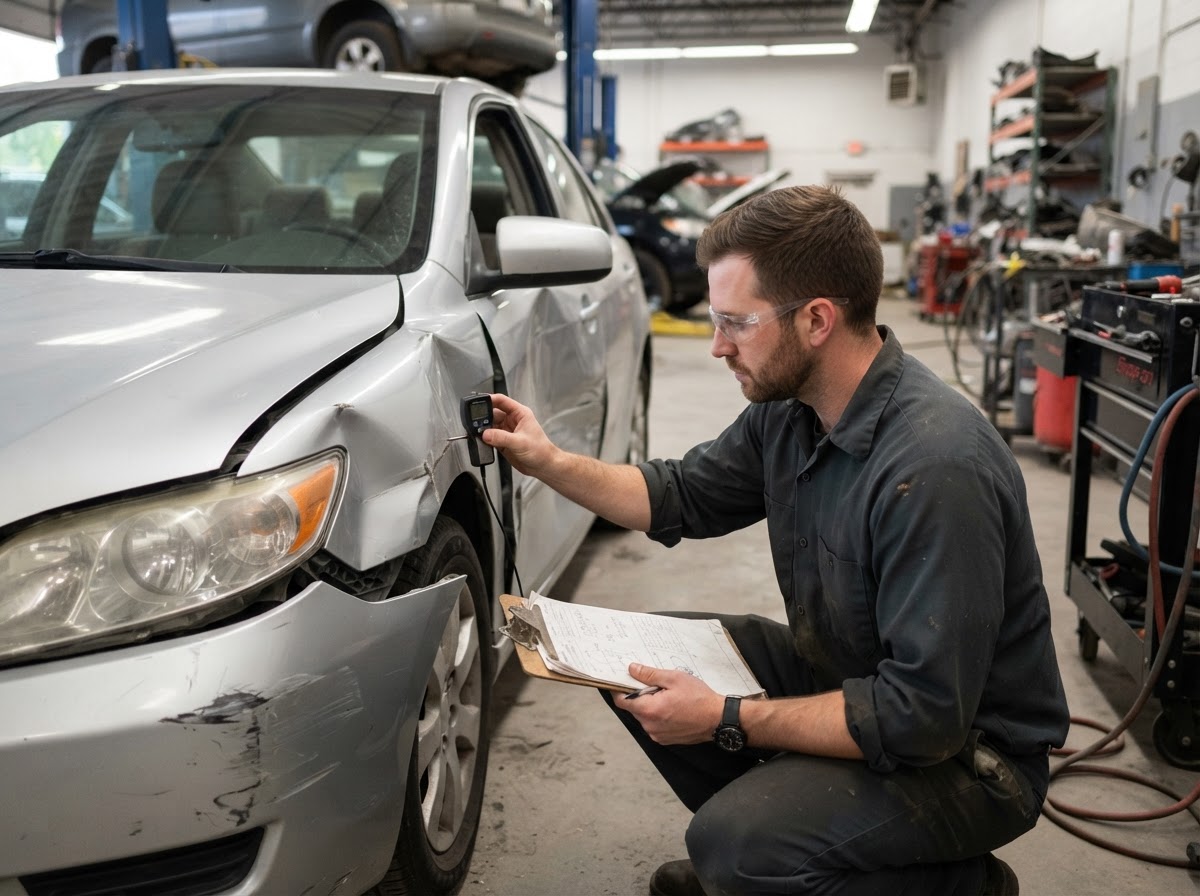
Understanding Structural Damage After a Collision
Structural damage isn't always visible from the outside. Here's what it means, what signs to look for, and why it's evaluated separately from cosmetic damage.
Read articleStructural Repair: What to Consider
Not all structural damage can be straightened. Here are the factors that shape the decision to straighten, pull, or replace structural components after a collision.
Read articlePreparing for Structural Repair
From the information to gather before you contact the shop to what to review at pickup, here's what to expect when a vehicle needs structural straightening.
Read article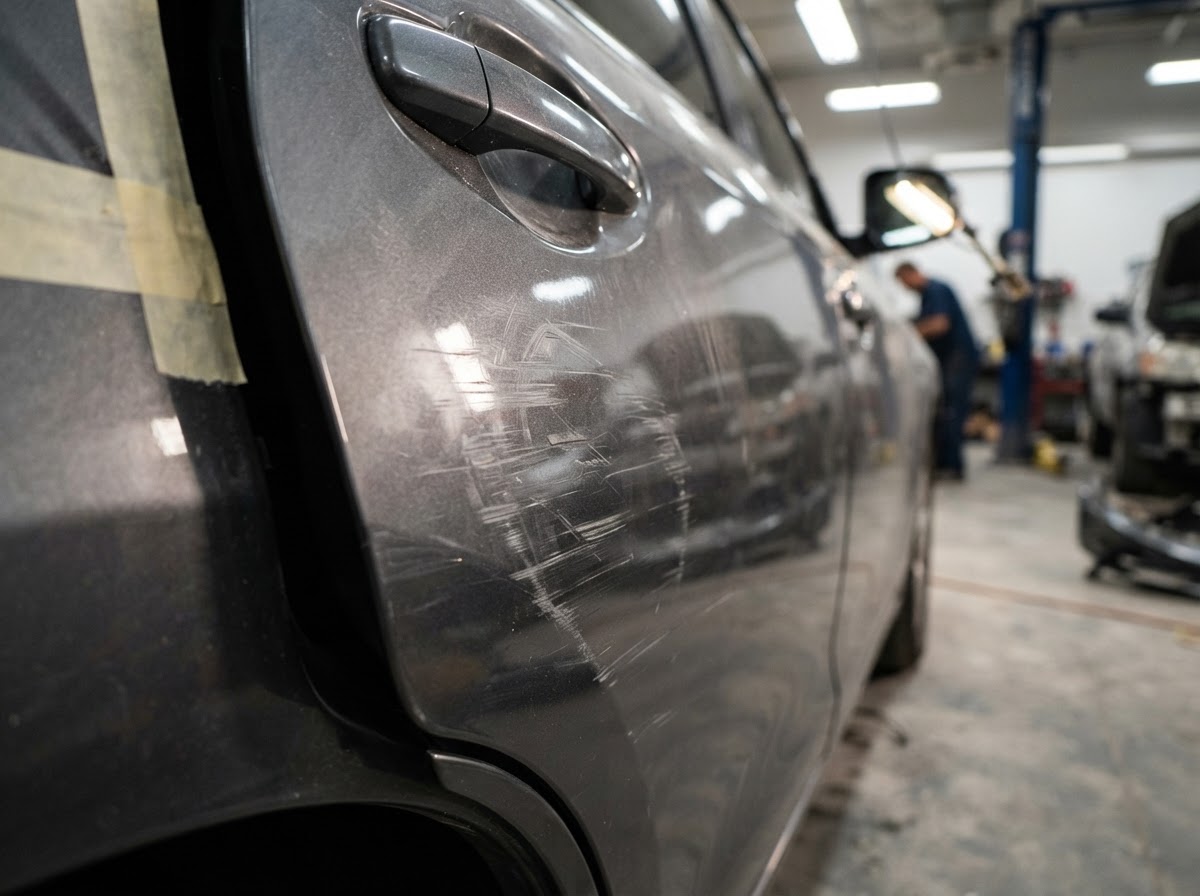
Understanding Scratch and Paint Damage
Not every scratch needs the same repair. Here's how to think about the depth, type, and location of paint damage — and why an inspection determines the right approach.
Read articleScratch Repair: Polishing or Repainting?
Polishing and refinishing solve different problems. Here's how to think about which approach your scratch needs — and why depth is the deciding factor.
Read articleCaring for Repaired Paint Surfaces
A refinished panel needs proper care to look its best and last. Here's what vehicle owners should know about protecting a repaired paint surface after pickup.
Read articleUnderstanding Panel Alignment and Fit
After a collision, uneven gaps and doors that don't close properly are signs of panel alignment issues. Here's what panel alignment means and how it differs from other adjustments.
Read articlePreparing for Panel Alignment and Parts Repair
From what to gather before you contact the shop to what to review at pickup, here's what to expect when a vehicle needs panel alignment or damaged parts repair.
Read article